Pages

Showing posts with label flora and fauna. Show all posts

Tuesday, March 27, 2012

Steep Point - part 2

After a highly successful boy's weekend at Steep Point in 2011, the boys went back for more.  Steep Point on the southern peninsula of Shark Bay, is a popular fishing spot 10 hours north of Perth.

Three nights, 9 men, 4 boats, 2 camper trailers, no running water, no electricity, a carton of beer, 2 hours (of pulling 9 men, 4 boats and 2 camper trailers and beer) over gravel road and sand dunes = nearly 60 kilos or 132 pounds of fish.

That pretty much sums up a trip to Steep Point.  Men, fish, beer, and apparently some beautiful scenery, a few scary sharks, and massive waves.

Ready for Steep Point

King Fish

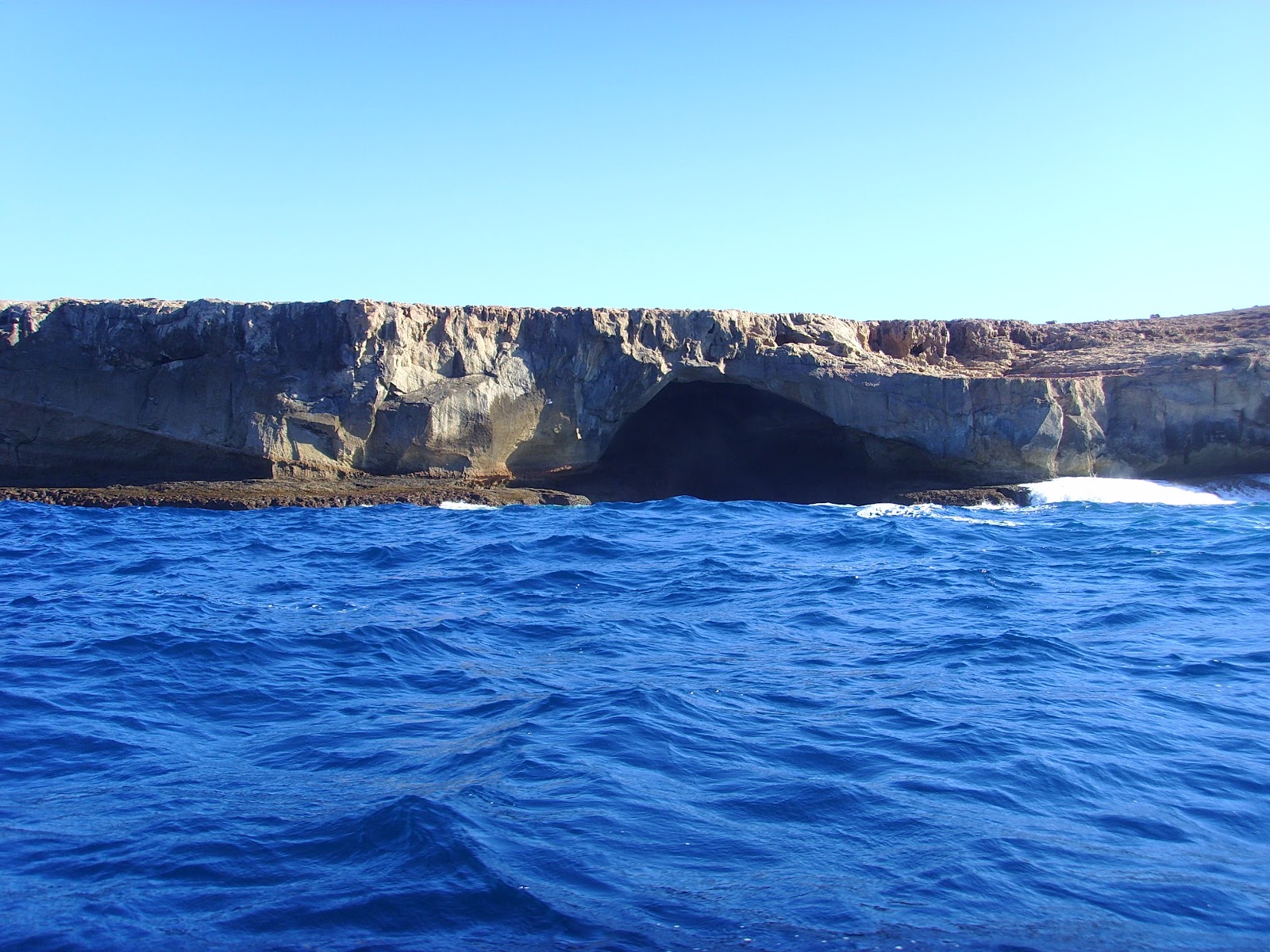
Cave at Steep Point

Steep Point

A Day's Fishing at Steep Point 

The crew with their catch

Sunday, February 26, 2012

Crabbing

Crabbing is a traditional WA pastime.  Many Western Australian cities are based on estuaries where crabs thrive, and here in Perth, on any given morning or evening you’ll see fisherman on the Swan or Canning Rivers dropping crab nets from their tinnies (tin boats). 

We go crabbing at least a few times each summer.  Catching a crab is much easier than preparing one for a meal.  You don’t need a boat to catch a crab; although that’s the only way I’ve ever done it.  According to Shane, there are three ways to catch a crab:  on a boat using drop nets, wading through the water with a handheld scoop net, or by chasing them.  If you’ve seen the fierceness of a crab’s claws, then you’ll understand that the first option is the more comfortable and safer one.

Drop nets have a small central pouch where you store the crab bait which may include raw chicken, organ meat, or lamb to name a few.  The net which sits on the floor of the estuary is connected to a rope affixed with a buoy.  Drop several nets in a straight line several meters apart, have a yarn (chat) and a beer, and then pull the nets up about 20 minutes later in hopes that they contain a crab or two. You must pull fast or else you risk the crabs swimming out of the net.

Last weekend we went crabbing on the Peel Estuary in Mandurah about 45 minutes south of Perth.  Within 2 hours we caught 20 crabs of legal size.  Female crabs with egg sacks must also be released.  Egg sacks are easily visible at the rear of the body.  Female crabs also have smaller claws and are browner in color, while male crabs are bluer.  I did not know until I first went crabbing 12 years ago that crabs don’t turn red until cooked.  Female crabs also have a different patterned belly which includes blue markings.

I still get a bit squeamish throwing a living crab into a pot of boiling water but ten minutes later, they are red and dead and the real fun begins.  A big mess and a lot of effort is required to crack and clean a crab and you’re usually left with little to show for.  But there’s a bit of excitement that comes with catching your own meal and controlling the full supply chain of what you eat, especially when it’s something as treasured as crab legs.

putting bait in the drop net

pulling up a drop net with a crab


into the bucket

into the bucket

hanging on

what a beauty

measuring the crab to ensure it's of legal size for keeping

20 crabs.  Note the female on the right with the blue belly.

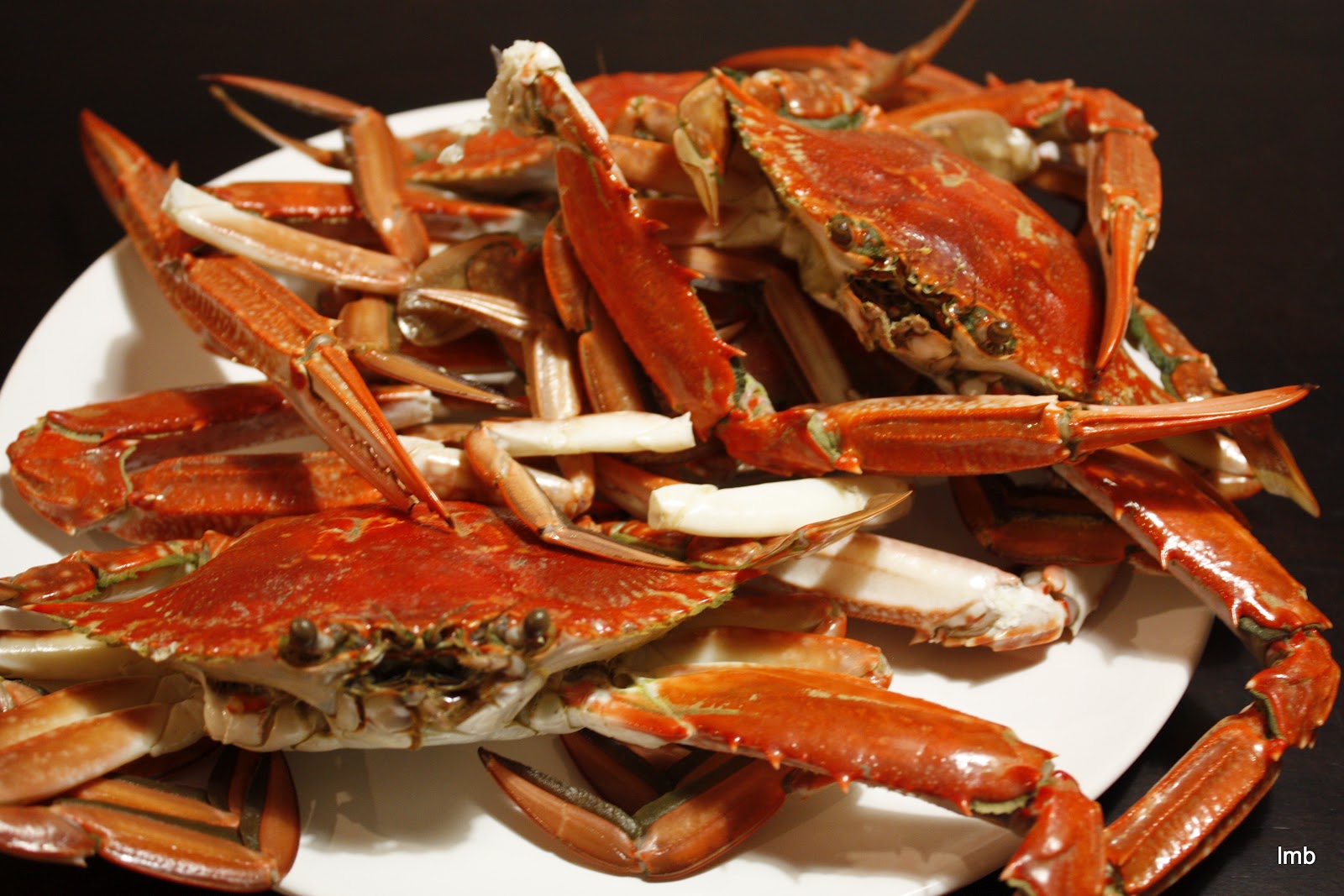
red, dead and ready to pulled into pieces
crabbing with scoop nets

Sunday, September 4, 2011

Windjana Gorge & Tunnel Creek


Only days after passing through Port Hedland on the way home from our recent trip, the oldest evidence of life on Earth was discovered a short distance from the town of 15,000 people. As scientists from around the globe were chipping away to uncover 3.4 billion year old fossils, I was checking my phone for the first evidence of mobile reception in over five hours.

Signs of life from Earth’s younger years are hardly unusual in this part of country. In the Kimberly an 80km area called Dinosaur Trackway is the home to thousands of fossilized footprints left by at least a dozen species of dinosaurs which lived 115 to 120 million years ago - representing the largest number of footprints, the greatest diversity of dinosaur types and the best footprint preservation ever found. When you live in a state the size of Western Europe and with only 2 million inhabitants, things tend to pretty much stay the same. This can sometimes be a bad thing. But when it comes to revealing Mother Earth’s secrets, it’s a good thing.

While we didn’t go chasing dinosaur footprints in the Kimberly, we did get in touch with primitive life in Windjana Gorge. Windjana Gorge sits along Australia’s famous Gibb River Road – an unpaved stretch of road through the Kimberly that is only accessible during the dry season.

Following four days in Broome we spent two nights at Windjana Gorge National Park, about 4.5 hours southeast of Broome and 1.5 hours southeast of Derby where the Gibb River Road begins.

Windjana Gorge was once a 375 million year old Devonian Reef from when this part of the world was under water. The 100 meter high walls of the 3.5km long gorge, which shoot up abruptly from the land, are an impressive site. The Lennard River carves its way through the reef which today is known as the Napier Range.

There’s something quite peaceful and romantic about swimming in an ancient gorge, and I’m sure the freshwater crocodiles that call it home would agree. When hiking the 7km return trail through the gorge you will see dozens of crocodiles basking in the sun along the banks. “Freshies” are the smaller, somewhat harmless relative of the saltwater crocodile but visitors are still advised not to swim in the gorge. Shane, along with another male group of tourists, succumbed to the heat and swam with the crocodiles but I cooled off with a shower back at the camp site. Freshwater showers and flushing toilettes are available at Windjana Gorge but we had to bring a generator to power our camping fridge.

An hour further down the Gibb River Road is Tunnel Creek, Western Australia’s oldest cave system. Visitors can walk through the 750 meter cave if willing to wade through water which at some points comes up to your knees. We came rather unprepared. Shane left his running shoes back at the camp site and had to navigate through the cave in flip flops and our headlamp had a flat battery which left us with only a small handheld torch (flashlight that is). When you’re Ill-equipped, wading through water in a dark cave filled with bats and snakes is a bit daunting so we only made it half way through the 750 meters.

Windjana Gorge was definitely worth driving 140km on an unpaved road, but after two days without the option of picking up an ice cream or even bottled water from the store, we were ready to move along to our next destination – Cape Leveque on the Dampier Peninsula.

Boab Prison Tree, Derby

Gibb River Road

Windjana Gorge

camping, Windjana Gorge National Park

Windjana Gorge

Windjana Gorge

swimming, Windjana Gorge

fossil, Windjana Gorge
hiking Windjana Gorge

sunset, Gibb River Road

Freshwater Crocodile, Windjana Gorge

Tunnel Creek

Tunnel Creek

Monday, August 22, 2011

Broome


Camel, Cable Beach

Broome, on the north coast of WA, is one of the state’s most popular and renowned tourist destinations. We recently spent four nights in Broome as part of a 12 day West Kimberly trip. If you’ve seen the movie Australia or watched Oprah’s Australian adventure, then you’ve seen images of the Kimberly region.

This town of less than 15,000 permanent residents is a 2.5 hour flight from Perth or a 2,200 km (1370 mile) drive. We took a fishing boat with us so endured the 22 hour drive from Perth to Broome along the Great Northern Highway which takes you through WA’s Wheat belt, then into the Midwest known for its springtime wildflowers, and finally the Pilbara – the heart of the state’s mining industry. With very little to see beyond dotted grain silos and distant mine sites, you appreciate the isolation and beauty of the landscape but begin to wonder why the hell you didn’t opt for the much quicker (and possibly cheaper) plane flight.

A great many hours on the Great Northern Highway elicits great conversations such as why does Australia have so many greats: the Great Australian Bight, the Great Barrier Reef, the Great Ocean Road, the Great Sandy Desert. Food and accommodation on the drive consists mostly of Roadhouse chips and short sleeps in the back of your 4WD.  So after some time it’s only natural to want to strangle your travel companion – especially when they run out of fuel on the exit ramp by your house after travelling 6,500 kms in 12 days and nearly 48 hours with no shower. Clearly all that driving led to a miscalculation of fuel consumption.

While Perth in the south gets 85% of its rain in the winter (June-August), Broome in the north has a tropical climate with a rainy season during the summer. This makes it a popular tourist destination from May to September when it’s dry and hot in the north but cool and rainy in the southern half of the country. This is also why it’s recommended to visit the Great Barrier Reef during Australia’s winter – if you go during summer you’ll be disappointed with rain and sometimes lots of it.

Broome is most famous for three things: the spectacular Cable Beach, its world famous South Sea Pearls and colorful pearling history, and for camel rides on the beach.

Cable Beach is a 22km stretch of white sand and turquoise waters and with a 9 meter tide that still leaves plenty of room to stretch your legs at its height, the beach feels nearly as wide as it is long. It’s also home to Broome’s popular camel rides and is one of Australia’s most famous nudist beaches. It’s a driving beach so even during the busy tourist season you can always find a private spot somewhere along its 22km stretch to park your car and get rid of those tan lines.

Camels were first brought to Australia in the mid-1800’s as a means of traveling across the arid continent and today over 1 million feral camels reside mostly in central Australia, in the Northern Territory. Bully the camel from Ships of the Desert camel tours took Shane and I on a 40 minute stroll along Cable Beach. We learned that all the camels are brought in from the wild and tamed within six months and were surprised to hear that they drink 22 liters of water a day, although can survive on significantly less.

When Oprah surprised her lucky guests with Pearls they were South Sea Pearls from Broome. We took a two hour pearl farm tour at Willie Creek Pearl Farm where we learned about how pearls are cultured and valued. To learn a bit about the dangerous and fascinating pearling history which began 150 years ago, you can also take the Pearl Luggers tour.

We could have easily spent a couple more days in Broome. We missed out on the 130 million year old dinosaur fossil and although this time we stayed at the Palm Grove Caravan Park I could easily be persuaded to stay at one of Broome’s luxury resorts. Next time we’ll fly.

Cable Beach

Cable Beach

Camels, Cable Beach

Camels, Cable Beach

Camels, Cable Beach

Red Dirt, Broome

Mother of Pearl, Oyster Shell

Oyster (with small brown crab living in top left corner of shell)

Willie Creek Pearl Farm

Cable Beach

Sunday, May 22, 2011

Serpentine National Park


When I left Colorado, I left with it my hiking boots and other remnants of mountain living. Never did I imagine I’d need them in Perth where flips flops (or even your bare feet) are the favored footwear.

As it turns out, they may have come in handy.  Sitting quietly in the shadow of Perth’s spectacular beaches, an hour east of Perth, lays the Darling Range or Perth Hills as they are more commonly called. Their low-profile provides a quieter way of life nestled in the trees where kangaroos trim your lawns and charming antique shops and bed and breakfasts are dotted along the way.

Friday saw our first real rainfall in several months – washing away the dry heat of a Perth summer and ringing in a beautiful autumn weekend. Yesterday was the perfect day for a hike. Thanks to some assistance from toptrails.com.au we decided upon Kitty’s Gorge in Serpentine National Park, 45 minutes southeast of Perth in "the Hills".

Kitty's Gorge is a 14km round trip hike originating in the historic town of Jarrahdale (named after the Jarrah tree) and ending at Serpentine Falls which is open to the public (at $11) for some good old fashioned waterhole swimming.

Kitty’s Gorge follows the Gooralong Brook which is mostly dry this time of year but I imagine quite beautiful in the spring after the winter rain. We walked through a forest filled with tall lanky Jarrah trees, big bushy grass trees, ferns, palms, and Marri trees - a member of the eucalypt family whose fruit is referred to as “honky nuts”. I like to think of it as the acorn of WA. We also encountered a pine forest which is not native to the area. Pine forests are often planted for the use of their wood. This group of trees would have been plated years before it became a national park and is now a part of the scenery.

Noisy black Cockatoos and a few cheeky Kangaroos entertained us along the way. White Cockatoos and pink and grey Cockatoos are common (pests actually) in Perth but these were my first black Cockatoos.

We wrapped things up with lunch at the Jarrahdale General Store where I rated the best BLT in Perth. I was so excited about it that I finished it off with scones with jam and cream and destroyed any benefit gained from my long hike.

Kitty's Gorge - Serpentine NP

grass tree

Serpentine NP

"Honky nuts"

Marri Tree

fern

planted pine forest

field of clovers

black Cockatoo - can you see the red in his tail?

Serpentine NP

Serpentine Falls

Kitty's Gorge
a native Holly